


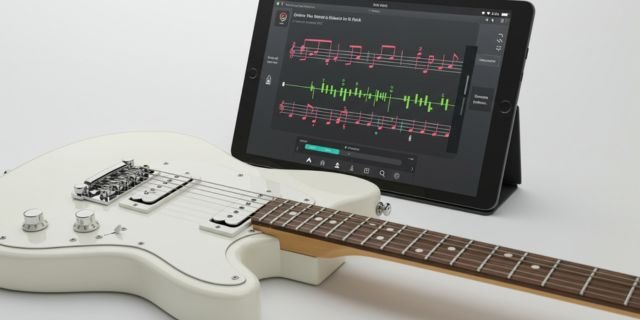
The Joy of Playing Along
Every guitarist knows the thrill of playing with others. The exchange of energy, the way instruments lock together, and the spontaneous creativity that happens in a jam session is unlike anything else. Yet, not everyone has access to a group of musicians ready to rehearse at a moment’s notice. For many, finding bandmates who share the same schedule, style, and commitment can be a real challenge. This is where the magic of backing tracks comes into play. They give you the chance to experience the excitement of jamming with a full band—even if you’re practicing alone in your room.
The Power of Online Guitar Backing Tracks
One of the best tools available to guitarists today is online guitar backing tracks. These tracks are designed to provide the rhythm, harmony, and groove of a band, leaving space for you to play over the top. Instead of practicing in silence or with a static metronome, you’re suddenly immersed in a dynamic musical environment. The drums, bass, and rhythm guitar set the foundation, and you get to step into the spotlight as the lead player.
What makes online guitar backing tracks so powerful is their flexibility. You can find them in almost every genre imaginable—blues, rock, jazz, funk, metal, reggae, or even world music. This variety not only keeps practice fresh but also pushes you to adapt your playing to different styles. Each track is like an invitation to explore a new musical world, sparking creativity in ways you might not expect.
Building Skills Through Play
While they’re fun, backing tracks also serve as valuable learning tools. Playing along with them sharpens your timing far more effectively than a metronome because you’re responding to real grooves and patterns. They also challenge your ear, teaching you how to listen closely and react musically. This is the same skill professional players use when jamming with live musicians.
Improvisation is another area where backing tracks shine. By experimenting over different chord progressions, you develop confidence and flexibility. At first, it might feel like trial and error, but over time, your fingers and ears begin to sync up. Before long, you’ll find yourself creating solos that sound intentional, expressive, and unique.
Practicing in a Band-Like Environment
One of the hardest parts about being a solo guitarist is the lack of a rhythm section. Without drums or bass, it can be tough to practice phrasing, dynamics, or transitioning between rhythm and lead. Backing tracks solve this problem. They simulate the presence of a band, giving you the full musical context to practice in.
This environment also encourages you to think like a musician in a group. Sometimes you’ll play a supporting role, blending in with the rhythm. Other times, you’ll take the lead, carving out melodies that soar above the track. Learning when to hold back and when to push forward is a skill that makes you a better guitarist in real-life jam sessions.
Inspiration Across Genres
One of the biggest advantages of online backing tracks is the exposure to genres you might not usually explore. You might be a rock player who suddenly discovers the subtle beauty of jazz phrasing. Or perhaps a blues guitarist who finds joy in experimenting with funk rhythms. Each genre demands something different from you, and that variety broadens your musical vocabulary.
Even if you never plan to perform in certain styles, dabbling in them enriches your playing. A jazz turnaround might inspire a fresh lick for your next rock solo, while a reggae rhythm could influence the way you approach strumming in other genres. Backing tracks open doors you didn’t know were there.
Fuel for Songwriting
Backing tracks don’t just help with practice—they’re also excellent tools for songwriting. Many musicians use them to spark ideas for riffs, melodies, or even full compositions. Playing over a chord progression can lead to a hook or theme that becomes the foundation of an original song.
Because backing tracks take care of the rhythm and harmony, you’re free to focus entirely on your creativity. This can be especially helpful when you feel stuck or uninspired. Instead of waiting for inspiration to strike, you create the conditions for it by surrounding yourself with music.
Confidence for Real Jams
Practicing with backing tracks builds confidence for live situations. By jamming regularly in a band-like context, you learn how to stay in time, phrase your solos, and adapt to the flow of the music. This preparation makes it much easier when you eventually step into a real rehearsal or live jam session.
Instead of feeling nervous or unsure, you’ll already be used to listening, reacting, and finding your space in the music. That comfort level is invaluable and can make your first live playing experiences far more enjoyable.
Keeping Practice Fun and Engaging
Perhaps the greatest gift of backing tracks is the joy they bring to practice. Guitarists often face plateaus, where progress feels slow, and motivation dips. Backing tracks change that by making practice feel like play. You’re no longer just running scales—you’re making music.
This shift in perspective keeps you engaged. Each track becomes a small jam session, an opportunity to enjoy your instrument while also growing as a player. That sense of fun ensures consistency, and consistency is what leads to lasting improvement.
Final Thoughts
Jamming with a virtual band is no longer a fantasy—it’s a reality available at the click of a button. Online backing tracks provide guitarists with a powerful tool to grow, explore, and create. They simulate the thrill of playing with others, while also offering endless opportunities for experimentation and inspiration.
Whether you’re looking to sharpen your skills, write new music, or simply enjoy your practice time more, backing tracks can transform the way you approach the guitar. Each session becomes more than practice; it becomes a performance, a jam, and a celebration of music itself.


